Northern Virginia Remodeling & Construction Cost Guide
- Design-Build Remodeling Guide
- New Construction & Custom Homes
- Home Addition Guide
- Remodeling FAQ
- Remodeling Cost Guide
- Bathroom Remodeling Guide
- Kitchen Remodeling Guide
- Whole Home Remodeling Guide
- Basement Finishing Guide
- Deck & Porch Construction Guide
- Permit & HOA Guide
- Contractor Hiring Guide
- Remodeling Mistakes to Avoid
- Construction Budget Planning Guide
- Material Selection Guide
- Remodeling Timeline Guide
- Warranty & Inspection Guide
One of the first questions homeowners ask before starting a remodeling, home addition, or custom home project is:
“How much will my project cost?”
Unfortunately, there is no one-size-fits-all answer.
Construction pricing depends on many factors, including project size, design complexity, permit requirements, engineering needs, material selections, site conditions, labor availability, and overall finish quality.
Whether you’re planning a kitchen remodel in Arlington, a bathroom renovation in Alexandria, a basement finishing project in Springfield, a home addition in Fairfax, a second-story addition in McLean, or a custom home anywhere throughout Annandale, Lorton, Falls Church, Loudoun County, Northern Virginia, or Washington DC, understanding the true costs involved can help you make smarter decisions and avoid unexpected expenses.
Planning a remodeling or construction project starts long before construction begins. Understanding budgets, permit requirements, design costs, engineering fees, timelines, material selections, and construction expectations can help homeowners reduce risk, improve budgeting accuracy, and move through the design-build process with confidence.
This comprehensive planning and budgeting guide explains:
- Remodeling costs and budgeting strategies
- Home addition pricing considerations
- New construction cost ranges
- Building permit fees and approval timelines
- Pre-construction expenses
- Material and finish-level selections
- Design-build construction planning
- Common budgeting mistakes homeowners should avoid
- Questions to ask before hiring a contractor
At Cosmo Builders, we believe informed homeowners make better decisions and achieve better project outcomes. Our goal is to help homeowners throughout Northern Virginia understand every stage of the remodeling, addition, and construction process before investing significant time and money into their project.
By the end of this guide, you’ll have a clearer understanding of what impacts construction pricing, how to establish realistic expectations, and how to plan your remodeling or construction project with confidence.
Key Takeaways
Before starting a remodeling, addition, or new construction project:
Most Common Questions Homeowners & investors Ask Before Remodeling, Adding, or Building
Before investing thousands of dollars into a remodeling, home addition, or custom home project, most homeowners have many of the same questions. Understanding the answers early can help establish realistic expectations, improve budgeting decisions, and reduce costly surprises throughout the construction process.
Some of the most common questions include:
Budget & Costs
- How much will my remodeling project cost?
- What can I realistically afford?
- What is the average cost per square foot for remodeling?
- What hidden costs should I expect?
- What increases construction costs the most?
Remodeling & Addition Costs
- How much does a kitchen remodel cost in Northern Virginia?
- How much does a bathroom remodel cost in Fairfax County?
- How much does it cost to finish a basement?
- How much does a home addition cost?
- How much does a second-story addition cost?
- How much does a garage conversion cost?
New Construction Questions
- How much does a custom home cost per square foot?
- Is it cheaper to remodel or build a new home?
- What factors affect custom home construction costs?
Permits & Planning
- Do I need permits for remodeling?
- How long does permit approval take?
- What zoning or HOA restrictions could affect my project?
- Do I need architectural plans before construction?
Contractor Selection
- How do I compare contractor estimates?
- Should I hire a design-build contractor?
- What questions should I ask before hiring a contractor?
Timeline & Value
- How long does remodeling take?
- Can I stay in my home during construction?
- Will this project increase my home’s value?
- Which remodeling projects provide the best return on investment?
These questions are completely normal and should be answered before making major construction decisions. The sections below will help you better understand the planning, budgeting, permitting, and construction process so you can move forward with confidence.
Planning Your Remodeling Project
Every successful remodeling project starts with a clear plan.
Before beginning design work, homeowners should determine:
- Budget expectations
- Project scope
- Timeline goals
- Design preferences
- Family lifestyle needs
- Future space requirements
- Return-on-investment objectives
Proper planning helps reduce delays, budget overruns, permit issues, and unexpected construction costs.
Planning Your New Construction Project
Every successful custom home begins with careful planning. Before designing a home, homeowners and investors should consider:- Total budget
- Desired square footage
- Architectural style
- Number of bedrooms and bathrooms
- Home office requirements
- Gym or flex spaces
- Garage size
- Outdoor living areas
- Future family needs
Why Proper Planning Matters Before Construction Begins
One of the most common mistakes homeowners make is focusing only on construction pricing without understanding the planning and pre-construction work required before permits can be approved.
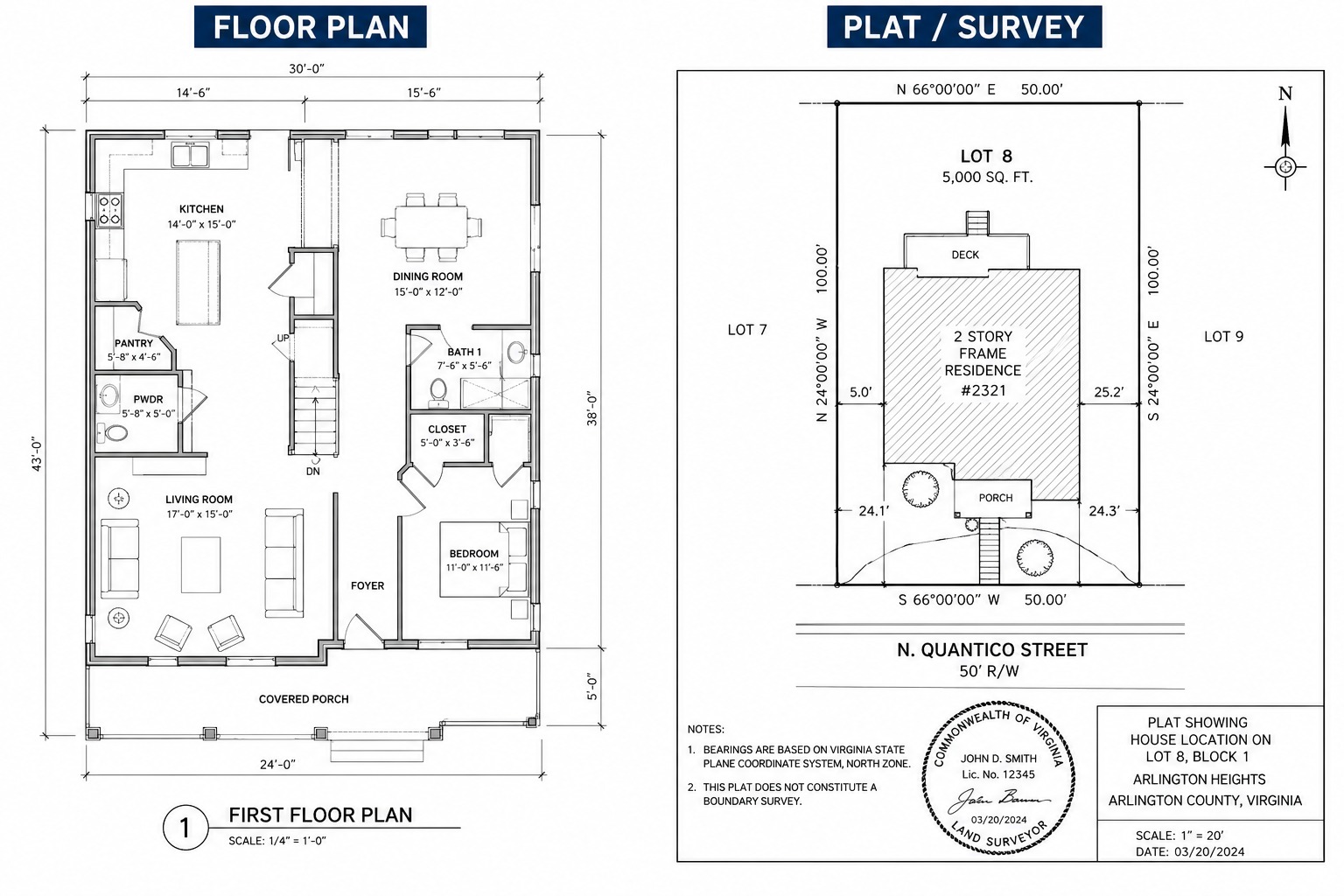
Successful remodeling, addition, and custom home projects often require surveys, architectural drawings, engineering reviews, permit applications, HOA approvals, inspections, and material selections before construction begins.
Understanding these requirements early helps reduce delays, improve budgeting accuracy, and minimize unexpected costs throughout the project.
Establish Your Investment Level Before Designing
Before selecting finishes or requesting contractor proposals, homeowners should establish a realistic investment level.
Two projects with the same square footage can have dramatically different budgets depending on customization, finish selections, product brands, and material quality.
For example:
Contractor Grade
May include:
- Stock cabinetry
- Standard fixtures
- Basic flooring
- Economical finishes
Mid-Range
May include:
- Quartz countertops
- Semi-custom cabinetry
- Upgraded flooring
- Improved fixtures and finishes
High-End & Luxury
May include:
- Custom cabinetry
- Premium appliances
- Natural stone surfaces
- Heated flooring
- Smart home systems
- Designer fixtures
Defining your desired finish level early helps contractors prepare more accurate estimates and realistic budgets.
Build a Realistic Construction Budget
Many homeowners underestimate the total investment required for a remodeling or construction project.
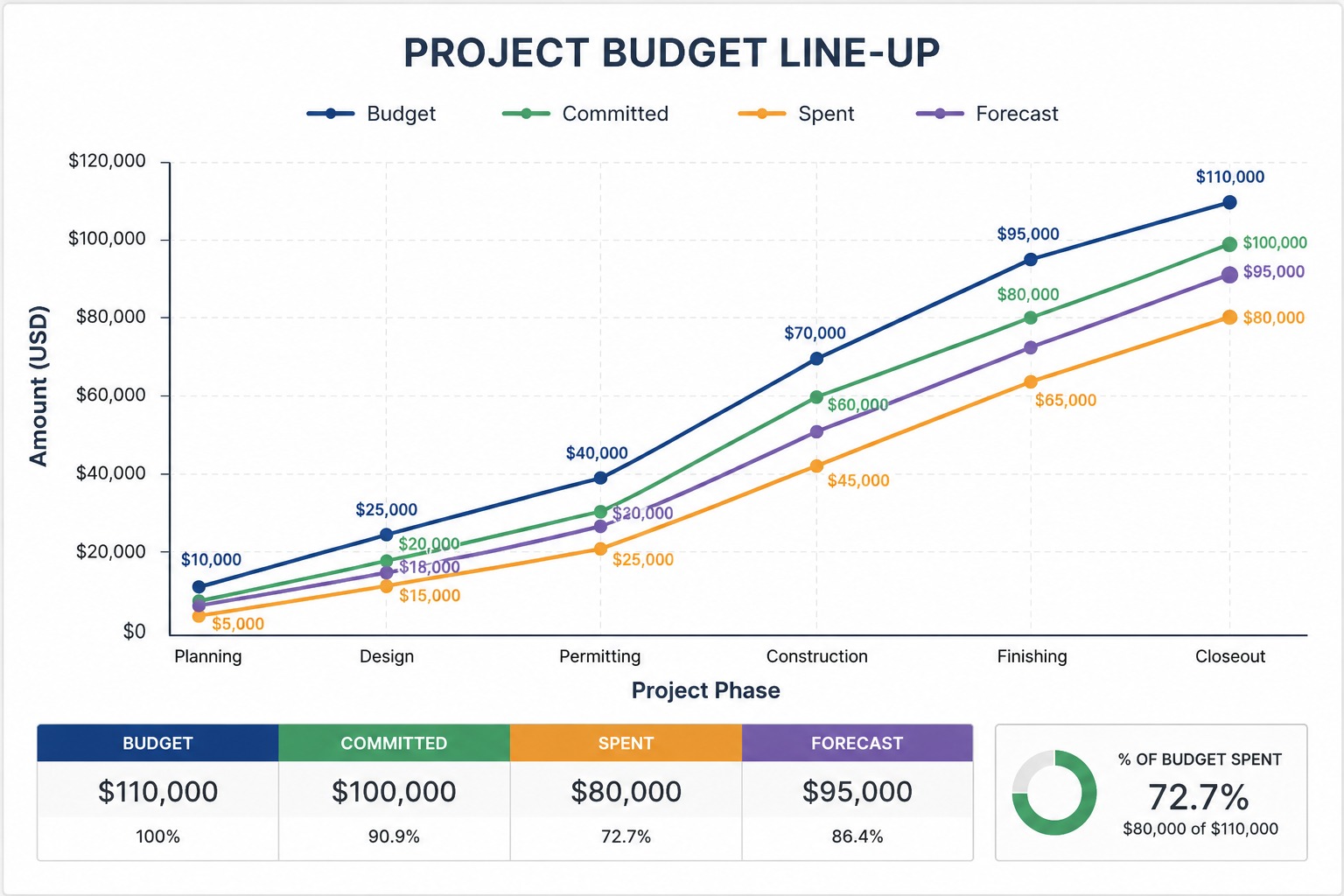
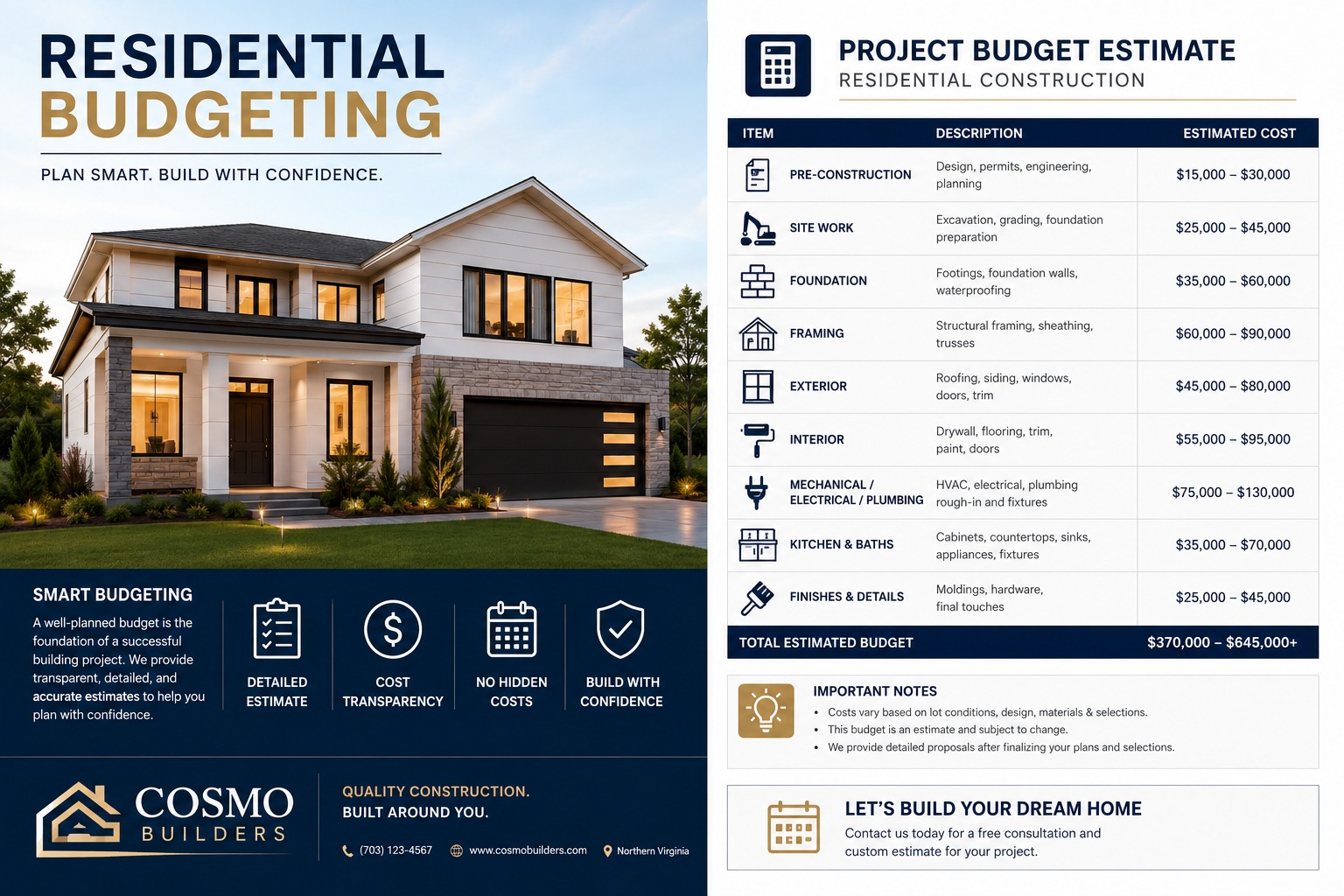
A realistic budget should include:
- Architectural and design fees
- Engineering costs
- Permit fees
- Construction costs
- Material allowances
- Utility upgrades
- Inspection requirements
- Site preparation costs
- Contingency reserve
Most construction professionals recommend maintaining a contingency reserve of approximately 15%–20% to address unforeseen conditions, owner-requested changes, and material price fluctuations.
Common Budgeting Mistakes Homeowners Make
Many remodeling, addition, and custom home projects experience budget overruns not because of poor planning, but because homeowners underestimate the complexity of the construction process. Understanding these common budgeting mistakes can help you avoid unnecessary expenses and make more informed decisions.
Starting Design Without Establishing a Budget
One of the most common mistakes is beginning the design process before establishing a realistic investment range. Without a target budget, designs can quickly exceed what homeowners are comfortable spending.
Underestimating Permit and Pre-Construction Costs
Many homeowners focus only on construction costs while overlooking expenses such as surveys, architectural plans, engineering, permit fees, HOA submissions, inspections, and consultant services.
Ignoring Contingency Reserves
Unexpected conditions can occur in almost any project. Most construction professionals recommend maintaining a contingency reserve of approximately 15%–20% to help address unforeseen issues, owner-requested changes, and material price fluctuations.
Comparing Estimates Based Only on Price
The lowest proposal is not always the best value. Homeowners should carefully compare project scope, material allowances, permit responsibilities, warranty coverage, project management services, and exclusions before making a decision.
Making Design Changes During Construction
Changes made after permits are approved or construction has begun often increase costs, delay schedules, and create additional coordination requirements. Finalizing design decisions early can help improve budget control.
Delaying Material and Finish Selections
Waiting too long to select cabinetry, flooring, tile, fixtures, appliances, and other finish materials can create scheduling delays and lead to unexpected pricing changes. Early selections often improve project planning and estimate accuracy.
Avoiding these common mistakes can help homeowners maintain better budget control, reduce stress, and create a smoother project experience from planning through completion.
Understanding Property Restrictions
The property itself plays a major role in:
- Design possibilities
- Construction costs
- Permit approvals
- Home size limitations
- Building placement
Important factors include:
- Zoning restrictions
- Setback requirements
- Soil conditions
- Drainage conditions
- Utility availability
- HOA requirements
- Topography
- Buildable lot area
Many Northern Virginia jurisdictions regulate:
- Building height
- Lot coverage
- Distance from property lines
- Stormwater management
- Tree preservation requirements
Professional builders help evaluate these factors before design begins.
Typical Pre-Construction Costs
Many homeowners underestimate the costs required before construction starts.
Average Pre-Construction Cost Ranges
| Service | Typical Cost Range |
|---|---|
| Property Survey (new Plat ) | $800 – $3,500+ |
| Architectural Plans | $2,500 – $15,000+ |
| Structural Engineering | $1,500 – $10,000+ |
| Civil Engineering | $2,000 – $15,000+ |
| Soil Testing | $500 – $5,000+ |
| Building Permit Fees | $300 – $15,000+ |
| HOA Submission Fees | $50 – $1,000+ |
| Special Inspections | Varies |
Larger additions, second-story additions, custom homes, and major renovations often require multiple consultants, engineers, and agency reviews before permits can be approved.
Important Cost Disclaimer
Construction costs shown in this guide are general planning ranges intended for budgeting purposes only. Actual costs vary based on project scope, design complexity, engineering requirements, permit conditions, material selections, site conditions, and market factors.
Understanding Remodeling Quality Levels
Project costs vary based on:- Material quality
- Structural complexity
- Labor requirements
- Design customization
- Permit requirements
- Product selections
- Installation methods
| Quality Level | Typical Market Pricing | Description |
|---|---|---|
| Base Grade | Lowest Budget Level | Basic finishes and economical materials |
| Contractor Grade | +15%–30% Higher | Improved durability and upgraded finishes |
| Mid-Range | +35%–70% Higher | Most popular balance of quality and value |
| High-End / Luxury | +80%–200%+ Higher | Fully customized premium remodeling |
Understanding Remodeling Quality Levels
Project costs vary based on:
- Material quality
- Structural complexity
- Labor requirements
- Design customization
- Permit requirements
- Product selections
- Installation methods
Standard Remodeling Quality Levels
| Quality Level | Typical Market Pricing | Description |
|---|---|---|
| Base Grade | Lowest Budget Level | Basic finishes and economical materials |
| Contractor Grade | +15%–30% Higher | Improved durability and upgraded finishes |
| Mid-Range | +35%–70% Higher | Most popular balance of quality and value |
| High-End / Luxury | +80%–200%+ Higher | Fully customized premium remodeling |
Understanding Material Allowances
Material allowances play a major role in construction pricing.
Allowances should be clearly identified for:
- Flooring
- Cabinetry
- Countertops
- Tile
- Lighting
- Appliances
- Plumbing fixtures
- Paint and finish materials
When allowances are unrealistic, homeowners often experience budget overruns during construction.
Establishing realistic allowances based on current market pricing helps improve estimate accuracy, budgeting confidence, and project planning.
Average Home Addition Costs
Typical Addition Cost Ranges| Addition Type | Cost Range |
|---|---|
| Standard Addition | $150 – $250 per sqft |
| Mid-Range Addition | $250 – $350 per sqft |
| Luxury Addition | $400+ per sqft |
Actual costs vary depending on:
- Structural requirements
- Utility modifications
- Site conditions
- Material selections
- Engineering requirements
- Permit requirements
Average New Construction Costs in Northern Virginia (2026)
| Construction Type | Typical Cost Range Per Sq Ft |
|---|---|
| Base Grade Homes | $180 – $210+ |
| Contractor Grade Homes | $210 – $245+ |
| Mid-Range Custom Homes | $245 – $270+ |
| Luxury Custom Homes | $270 – $350+ |
Custom architecture, premium finishes, energy-efficient systems, smart home technology, and challenging site conditions may increase pricing.
Design-Build vs Traditional Construction
Homeowners planning major renovations, additions, or custom homes should understand the difference between design-build construction and the traditional architect-plus-contractor approach. With design-build construction, planning, budgeting, design, engineering, permitting, and construction are coordinated under one team. Benefits often include:- Better communication
- Improved budget control
- Faster project delivery
- Reduced redesign costs
- Simplified permit coordination
- Greater accountability
How Much Do Building Permits Cost in Northern Virginia?
Permit fees vary based on jurisdiction, project valuation, engineering requirements, and project scope.
| Project Type | Typical Permit Fees |
|---|---|
| Bathroom Addition | $300–$1,000+ |
| Kitchen Expansion | $500–$1,500+ |
| Basement Finishing | $400–$2,000+ |
| Garage Addition | $1,000–$2,000+ |
| Home Addition | $2,000–$3,000+ |
| Second Story Addition | $3,000–$6,000+ |
| New Home Construction | $4,000–$12,000+ |
Additional project costs may include:
- Architectural plans
- Structural engineering
- Surveys
- Soil reports
- Utility coordination
- Special inspections
- Stormwater reviews
Building Permit Timeline Guide
How Long Does Permit Approval Take?
Permit timelines vary based on:
- Project complexity
- County jurisdiction
- Engineering requirements
- HOA approvals
- Zoning reviews
- Utility coordination
Typical Construction Timelines
| Project Type | Average Construction Duration |
|---|---|
| Bathroom Addition | 3–4 Weeks |
| Kitchen Expansion | 4–6 Weeks |
| Garage Addition | 1–4 Months |
| Home Addition | 1–4 Months |
| Second Story Addition | 2–4 Months |
| Whole House Remodeling | 3–7 Months |
| New Home Construction | 8–14 Months |
Actual schedules vary depending on revisions, inspections, permit approvals, material lead times, and project complexity.
Questions Homeowners Should Ask Before Hiring a Contractor
Before signing a construction agreement, ask:
- Who manages permits and inspections?
- Who provides daily project supervision?
- Are material allowances clearly identified?
- How are change orders handled?
- What warranty coverage is included?
- How often will project updates be provided?
- What similar projects have you completed?
- Is the estimate based on current material pricing?
These questions help homeowners compare proposals more effectively and choose contractors based on value, experience, and transparency rather than price alone.
Most Common Questions Homeowners & Investors Ask Before Remodeling, Adding, or Building
Before requesting contractor proposals or construction estimates, homeowners should have a general understanding of their project goals, budget expectations, desired finish level, and permit requirements.
The more information available during the planning phase, the more accurate construction pricing becomes.
Before seeking estimates, consider:
- What are your primary project goals?
- What budget range are you comfortable investing?
- What level of finishes do you expect?
- Are there zoning, HOA, or property restrictions?
- Will architectural plans or engineering be required?
- What timeline are you hoping to achieve?
- Are there future needs that should be considered during design?
Establishing these expectations early helps contractors prepare more accurate proposals, improves budgeting confidence, and reduces surprises during the design and construction process
Frequently Asked Questions About Remodeling, Additions, and Construction Costs
Before investing in a remodeling, home addition, or custom home project, most homeowners have questions about costs, permits, timelines, and value. The answers below provide general guidance to help you plan more effectively.
Remodeling costs vary significantly based on project size, complexity, material selections, and permit requirements. Most homeowners should establish a realistic budget early and reserve an additional 15%–20% contingency fund for unforeseen conditions and project changes.
Whole-house remodeling projects commonly range from $50–$250+ per square foot depending on structural modifications, finish quality, mechanical upgrades, and design complexity. Material selections and labor requirements are often the largest cost drivers.
Kitchen remodeling projects typically range from $25,000 to $100,000+ depending on cabinetry, appliances, layout changes, countertops, and finish quality. A well-designed kitchen renovation is often one of the highest-return home improvement projects.
Bathroom remodeling projects often range from $10,000 to $40,000+, while bathroom additions commonly range from $15,000 to $50,000+ depending on plumbing requirements, tile selections, fixtures, and structural modifications.
Basement finishing projects typically range from $50–$150+ per square foot. Finished basements can increase usable living space, improve functionality, and often add value to a home when designed properly.
Home additions generally range from $150–$400+ per square foot depending on size, complexity, utilities, and finish selections. For many homeowners, adding space can be more cost-effective than purchasing a larger home and paying moving-related expenses.
Second-story additions often range from $200–$450+ per square foot due to structural engineering, roof modifications, and permit requirements. Most projects require several months of planning and construction depending on complexity.
Garage additions typically range from $40,000 to $150,000+ depending on size, foundation requirements, utilities, and whether living space is added above the structure. Garage conversions may cost less but still require permits and code compliance.
In some cases remodeling can be more economical, while extensive renovations may approach new construction costs. Custom homes in Northern Virginia commonly range from approximately $180–$350+ per square foot depending on design, finishes, site conditions, and construction complexity.
Many remodeling projects, additions, structural modifications, and new homes require permits, plans, and engineering documentation. Requirements vary by jurisdiction, project scope, zoning regulations, and HOA guidelines.
Permit timelines vary based on project complexity, county workload, engineering requirements, zoning reviews, and revisions. Early planning and complete documentation can help reduce approval delays.
Project schedules vary considerably. Kitchen remodels may take several weeks, basement finishing projects may take one to three months, additions may take several months, and custom home construction can require eight to fourteen months or longer.
Potential hidden costs may include permit revisions, utility upgrades, structural repairs, water damage remediation, material price increases, special inspections, and owner-requested changes. Maintaining a contingency reserve helps reduce financial surprises.
Major cost drivers typically include structural modifications, custom finishes, premium materials, mechanical upgrades, site challenges, permit requirements, and significant design changes during construction.
Homeowners should compare project scope, material allowances, warranty coverage, permit responsibilities, project management services, and exclusions—not just total price. Detailed plans and clear specifications help reduce unexpected change orders.
Design-build construction combines planning, design, budgeting, permitting, and construction under one team. Many homeowners choose this approach because it improves communication, increases accountability, simplifies project coordination, and often helps control costs more effectively.
Projects that commonly provide strong value include kitchen renovations, bathroom upgrades, basement finishing, energy-efficient improvements, and well-designed home additions. Return on investment varies based on location, project quality, and market conditions.
Final Thoughts
The most successful remodeling and construction projects begin with proper planning. Understanding budgets, permits, engineering requirements, material selections, timelines, and construction costs before work begins helps homeowners reduce risk, avoid surprises, and make informed decisions.
Whether you’re planning a home addition, kitchen expansion, whole-house renovation, second-story addition, or custom home construction, investing time in planning today can save significant time, money, and stress throughout the construction process.
Why Homeowners Choose Cosmo Builders
Successful remodeling, addition, and custom home projects begin long before construction starts. Homeowners throughout Northern Virginia choose Cosmo Builders because we help them understand the planning, budgeting, design, permitting, and decision-making process before making major investments.
Our Planning-First Approach
- Realistic Budget Planning & Cost Guidance
- Remodeling & Addition Feasibility Reviews
- Design-Build Planning Support
- Architectural & Engineering Coordination
- Permit & Inspection Guidance
- Zoning & Property Restriction Evaluation
- Material & Finish Selection Assistance
- Project Scope Development
- Construction Cost Analysis & Budgeting
- Transparent Proposal & Allowance Reviews
Helping Homeowners Make Informed Decisions
Many homeowners begin with questions about costs, permits, timelines, design options, and project feasibility. Our goal is to provide clear information and realistic expectations so you can make confident decisions before moving forward.
We help homeowners understand:
- What their project may realistically cost
- What permits and approvals may be required
- How zoning and HOA requirements may affect design options
- What pre-construction costs to expect
- How material selections influence budgeting
- How to compare contractor proposals fairly
- How to avoid common planning mistakes
Local Experience Matters
Northern Virginia jurisdictions often have unique zoning requirements, permit processes, setback regulations, and inspection procedures. Our team helps homeowners navigate these requirements while planning additions, renovations, basement projects, second-story additions, and custom homes.
Planning Today Helps Avoid Problems Tomorrow
The most successful projects are typically the best planned. By understanding budgets, permits, design requirements, timelines, and project expectations early, homeowners can reduce risk, avoid surprises, and improve the overall project experience.
Whether you’re exploring ideas or actively planning a remodeling, addition, or custom home project, Cosmo Builders is committed to helping you make informed decisions every step of the way.
Ready to Start Planning Your Remodeling or Construction Project?
Whether you’re considering a kitchen remodel, bathroom renovation, basement finishing project, home addition, second-story addition, garage addition, whole-house renovation, or custom home construction, successful projects begin with proper planning, realistic budgeting, and a clear understanding of permits, design requirements, and construction costs. At Cosmo Builders, we help homeowners evaluate project feasibility, establish realistic budgets, understand permit requirements, coordinate design and engineering services, and develop a roadmap for a successful project before construction begins.Serving Homeowners Throughout Northern Virginia
We proudly assist homeowners in:- Alexandria
- Arlington
- Annandale
- Fairfax
- Falls Church
- McLean
- Great Falls
- Springfield
- Lorton
- Burke
- Vienna
- Oakton
- Herndon
- Sterling
- Reston
- Chantilly
- Centreville
- Ashburn
- Leesburg
- Loudoun County
- Prince William County
Schedule a Free Consultation
If you’re planning a remodeling, addition, or custom home project and want expert guidance on budgeting, planning, permits, design coordination, and project development, contact Cosmo Builders today.
Our team can help you:
- Understand realistic project costs
- Review your property and project goals
- Identify permit and zoning requirements
- Evaluate design and layout options
- Establish a preliminary budget range
- Plan for a smoother construction process
Contact Cosmo Builders today for a free consultation and project evaluation.
Cosmo Builders
Planning • Design Coordination • Permitting • Remodeling • Additions • Custom Homes
Helping Northern Virginia homeowners make informed decisions before construction begins.